Disclosure: we earn a commission if you buy through links to our partner wine shops, at no extra cost to you. Links to Bee d'Vine are ordinary links at the moment and earn us nothing. How this works.
If you like sweet or sack mead, start here. Honey is one of the most common words in tasting notes for dessert wine: Decanter's guide to tasting terms ties it to late harvest and noble-rot wines, and names Sauternes, Tokaji and German Riesling from Spätlese up. There is no honey in these bottles. The flavor comes from very concentrated grapes. Our honey wine flavor guide covers how mead itself tastes.
Grapes become dessert wine in four main ways. Noble rot, the fungus Botrytis cinerea, pierces ripe grape skins when misty autumn mornings give way to sunny afternoons, so water evaporates and sugar concentrates: this is Sauternes, Barsac and Tokaji Aszú. Freezing on the vine does the same job for icewine. Drying picked grapes on mats or in the sun gives Vin Santo and Pedro Ximénez sherry. Fortifying with grape spirit before fermentation finishes keeps the sugar in Port.
These are rich wines, so pour small glasses: Wine Folly suggests about 3 oz for fortified wine. On our sweetness scale, Sauternes sits beside sweet dessert mead, not semi-sweet, so if your usual bottle is semi-sweet, the sweet white wines may suit you better. We have not tasted the bottles below. The notes on each card are the retailer's own.
Sauternes and Barsac
Noble-rot wine from Bordeaux, mostly Sémillon with Sauvignon Blanc and Muscadelle. Pickers go through the vineyard in several passes, taking only the affected grapes. Barsac lies inside the Sauternes appellation and may use either name.
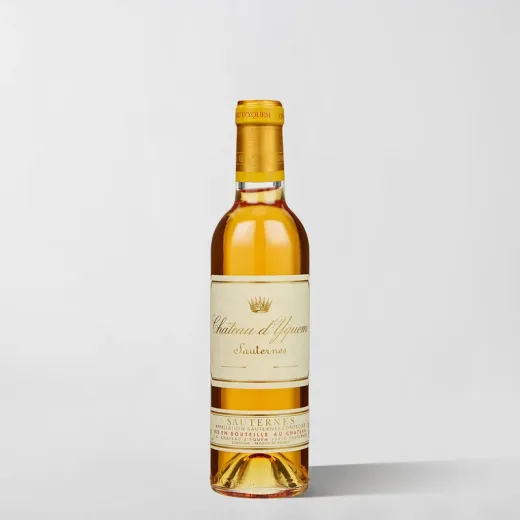
Chateau d'Yquem Sauternes 2016 Half Bottle
- Sauternes
- Very sweet
- France
The benchmark Sauternes, here in a half bottle.
Parcelle Wine says: Chateau d'Yquem's 2016 Sauternes in a 375 ml half bottle. The merchant page gives no tasting notes; Sauternes is a sweet Bordeaux wine.
Icewine and late harvest
Icewine is pressed from grapes frozen on the vine. In Ontario they are picked at -8°C (about 18°F) or colder, and the juice must reach at least 35° Brix. Late harvest wines come from grapes picked near the end of, or after, the normal harvest.
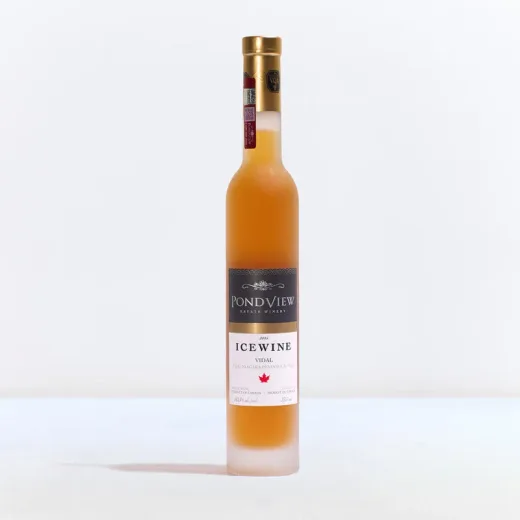
2015 Pondview Vidal Icewine
- Ice wine
- Very sweet
- Canada
Honeycomb and honeyed-fruit notes in a naturally concentrated icewine, a natural step for honey wine fans.
Kascadia Wine Merchants says: Vidal icewine opening with apricot, dried mango, honeycomb and candied citrus peel, rich and full-bodied with a long honeyed finish.
WineAlign 91 (as listed by Kascadia Wine Merchants)
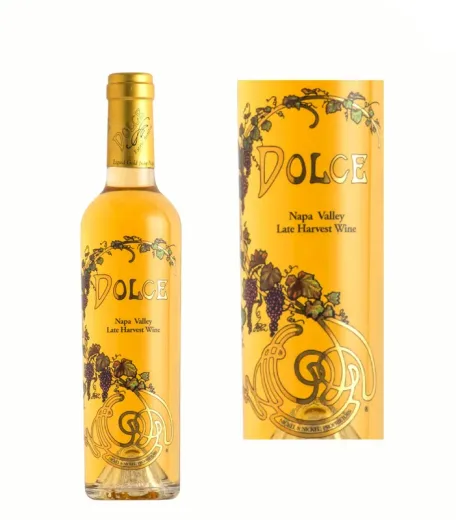
Far Niente Dolce 2021
- Late harvest dessert wine
- Sweet
- California
A half bottle with honeysuckle and apricot character, a sweet wine for honey wine fans.
Buy Wines Online says: Napa dessert wine with orange, lime and apricot aromas and honeysuckle florals; a thick, creamy palate with bakery spice and a key lime pie note.
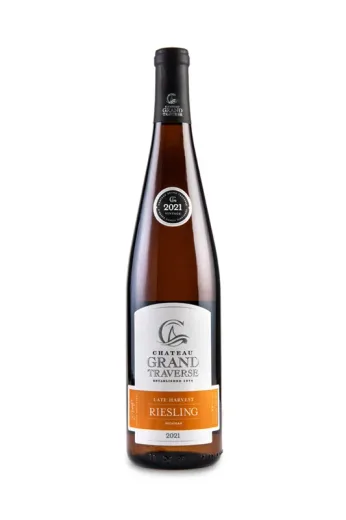
Grand Traverse Chateau Late Harvest Riesling 2024
- Late harvest Riesling
- Sweet
- United States
A US late harvest Riesling with honeyed notes for under $20.
Wine On Sale says: Michigan late harvest Riesling with vibrant citrus and honeyed notes and a luscious sweetness.
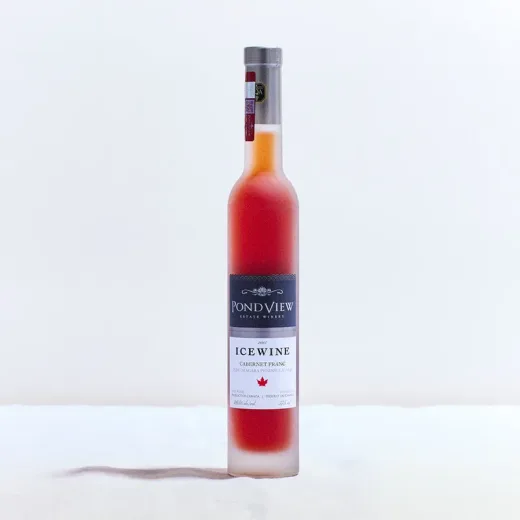
2015 Pondview Cabernet Franc Icewine
- Ice wine
- Very sweet
- Canada
A red icewine for readers who want a sweet wine with berry fruit instead of honey.
Kascadia Wine Merchants says: A ruby red icewine with strawberry, raspberry coulis and rose petal aromas; lusciously sweet with cherry jam and cranberry preserve flavors.
WineAlign 91 (as listed by Kascadia Wine Merchants)
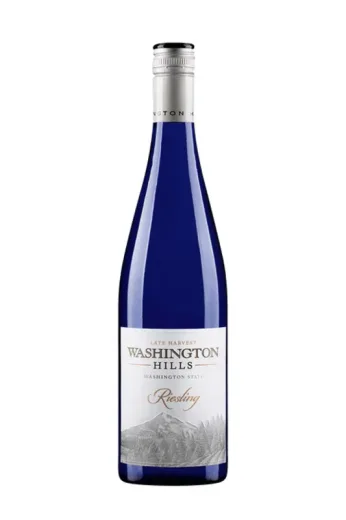
Washington Hills Late Harvest Riesling 2024
- Late harvest Riesling
- Sweet
- Washington
A $15 Washington late harvest Riesling.
Buy Wines Online says: A sweet white with ripe peach and apricot flavors, suggested as a dessert wine or with spicy food.
Port, sherry and Vin Santo
Port is fortified with grape spirit partway through fermentation, which keeps natural sugar in the wine and brings it to 19% to 22% alcohol. Pedro Ximénez sherry is made from sun-dried grapes and has more than 212 g/L of sugar. Vin Santo is made from grapes dried for months on mats or in rafters.
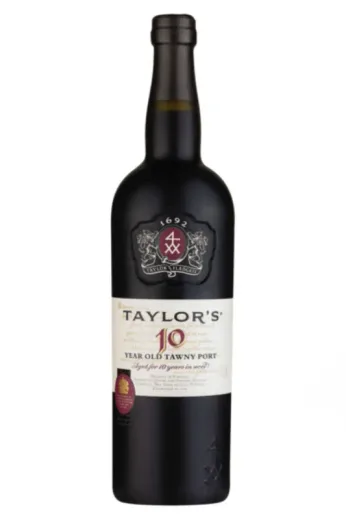
Taylor Fladgate 10 Year Tawny Port
- Tawny Port
- Sweet
- Portugal
A ten-year tawny: sweet, nutty and caramel-led, a classic after-dinner pour.
Wine On Sale says: Amber tawny with dried apricot and fig, nuts and caramel on the nose, with a touch of vanilla sweetness.
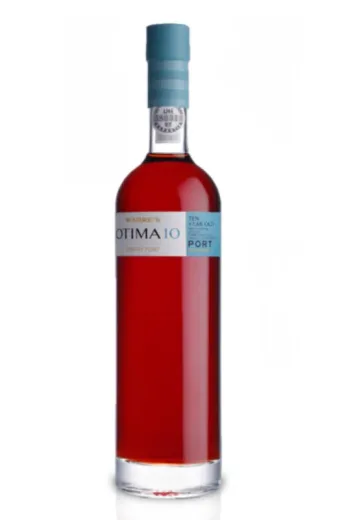
Warre's Otima 10 Year Tawny Port
- Tawny Port
- Sweet
- Portugal
The merchant notes mention honey and caramel; sold in a 500 ml bottle.
Wine On Sale says: A lighter, contemporary tawny with dried fig, apricot and almond flavors and notes of honey and caramel.
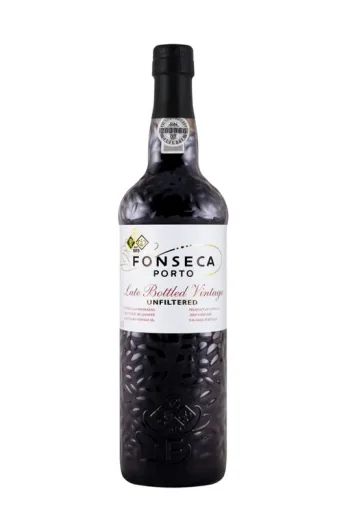
Fonseca Late Bottled Vintage Unfiltered Port 2018
- Late bottled vintage Port
- Sweet
- Portugal
A ruby-style Port, the dark fruit counterpart to tawny.
Wine On Sale says: Deep ruby LBV with blackberry, plum and cassis aromas and ripe black fruit, dark chocolate and black pepper on the palate.
JS 93 (as listed by Wine On Sale)
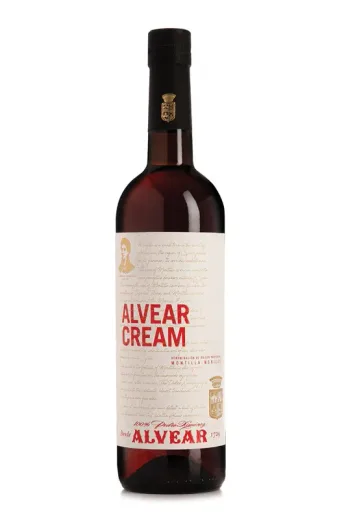
Alvear Cream Sherry
- Cream Sherry
- Sweet
- Spain
Cream Sherry is a sweet fortified wine with toffee and fig flavors.
Wine On Sale says: Rich, nutty aromas with caramel and dried fruit; a sweet, velvety palate of toffee, figs and a touch of spice.
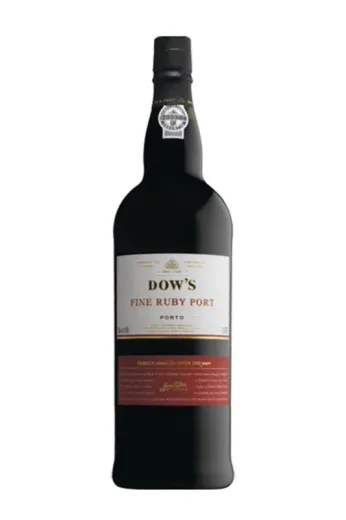
Dow's Fine Ruby Port
- Ruby Port
- Sweet
- Portugal
An entry-level ruby Port at around $20.
Wine On Sale says: Ruby-red Port with ripe cherry and plum aromas and a floral lift, youthful and approachable.
More dessert wines
Everything else we list in this category.
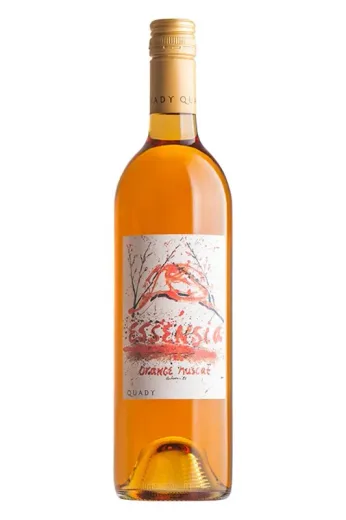
Quady Essensia Orange Muscat 2022
- Orange Muscat dessert wine
- Sweet
- California
A California Orange Muscat dessert wine, sweet and apricot-driven.
Wine On Sale says: A full-bodied sweet wine, rich gold in the glass, with spicy orange, apricot and pear flavors balanced by fruit acidity.
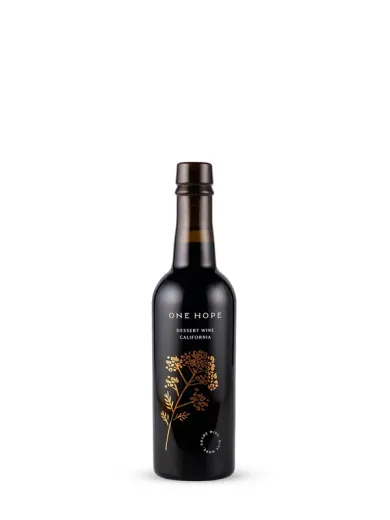
ONEHOPE Reserve Dessert Wine
- Fortified dessert wine
- Sweet
- California
A budget California fortified dessert wine in the Port tradition.
ONEHOPE Wine says: A California dessert wine made in a style from Portugal, fortified with grape spirits to keep the fruit and sugar of grapes picked at peak maturity.
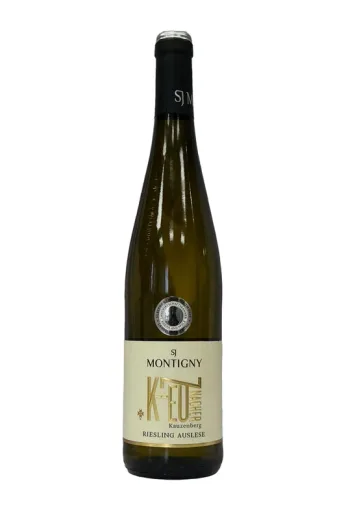
SJ Montigny Riesling Kauzenberg Auslese 2020
- Riesling Auslese
- Sweet
- Germany
Honey and apricot in a German Auslese, a sweet Riesling with a score on the merchant page.
Buy Wines Online says: A late-harvest Nahe Riesling with apricot, honey, candied citrus peel and a delicate floral lift, rich yet balanced.
WE 90 (as listed by Buy Wines Online)
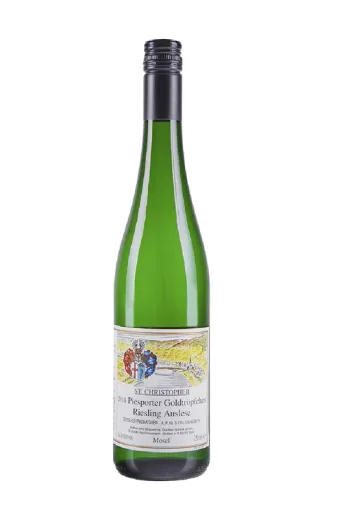
St. Christopher Piesporter Goldtropfchen Riesling Auslese 2025
- Riesling Auslese
- Sweet
- Germany
An affordable Auslese with honey and apricot notes.
Wine On Sale says: Golden, richly textured Mosel Auslese with dried apricot, honey and candied citrus, a silky mouthfeel and bright acidity.
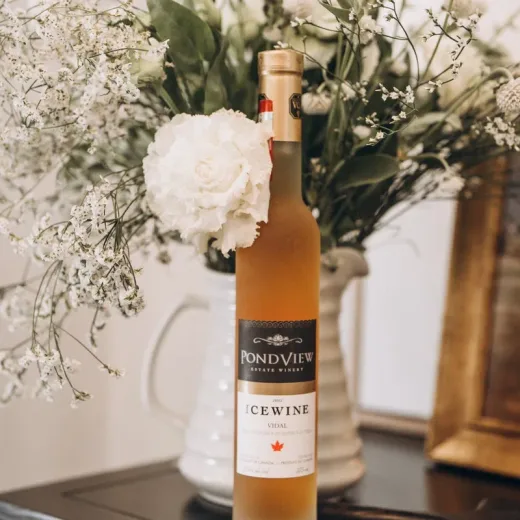
Premium Cellar Gift
- Gift set
- Mixed
A gift box that includes an icewine, a honeyed dessert style.
Kascadia Wine Merchants says: A three-bottle collection of limited-production North American wines selected by a sommelier, including a Canadian Icewine.
How to choose
- Match it to the mead you like. Sweet and sack mead drinkers have the most to explore here. If you drink semi-sweet, try the sweet white wines first: Sauternes carries 120 to 220 g/L of residual sugar and Tokaji Aszú at least 120.
- Read how it was made. Noble-rot wines are the ones most often described with honey and apricot. Dried-grape wines lean toward raisin, fig and date: the sherry council lists all three for Pedro Ximénez, along with honey and coffee. Fortified wines are the strongest.
- Check the alcohol. Strength varies more than it does in mead. Wine Folly puts Tokaji Aszú at 11.5% to 13.5%, the sherry council puts Pedro Ximénez at 15% to 22%, and Port runs 19% to 22%. A sack mead, for comparison, starts around 14%.
- Plan for the open bottle. Several of these styles keep well once opened. The Port trade body gives 8 to 10 days for an opened ruby and 3 to 4 weeks for a tawny. Aline Baly of Château Coutet in Barsac told Decanter that an opened Sauternes keeps for more than a week in the fridge.
- Serve cool, not icy. Aline Baly serves Sauternes at 9 to 10°C (48 to 50°F). Wine Folly suggests 45 to 55°F for Tokaji. The sherry council recommends 12 to 14°C (54 to 57°F) for Pedro Ximénez, and the Port trade body 12 to 16°C (54 to 61°F) for ruby and 10 to 14°C (50 to 57°F) for tawny.
Prices and notes come from each retailer's product page and change often. We have not tasted every bottle here; the descriptions are the retailer's, condensed. More on how we pick in our methodology.
Frequently asked questions
Which dessert wine tastes most like honey?
Noble-rot wines such as Sauternes and Tokaji Aszú are the usual answer. Wine writers use honey as a standard descriptor for them, often alongside apricot and dried fruit. Neither contains honey; the flavor comes from shriveled, concentrated grapes.
Is Sauternes sweeter than honey wine?
Usually, yes. Wine Folly puts Sauternes at 120 to 220 g/L of residual sugar. That is dessert territory, well beyond a semi-sweet honey wine and closer to a sweet dessert mead.
What is noble rot?
It is Botrytis cinerea, a fungus that in the right weather, misty mornings followed by sunny afternoons, pierces ripe grape skins. Water evaporates and the sugar and flavor concentrate. In the wrong weather the same fungus becomes harmful gray rot.
What is the difference between icewine and late harvest wine?
Late harvest grapes are picked late, when they are riper and sweeter. Icewine grapes stay on the vine until they freeze and are pressed while frozen. In Ontario, icewine grapes must be picked at -8°C or colder and give juice of at least 35° Brix, against 22° Brix for late harvest.
How long does dessert wine last after opening?
It depends on the style. The Port trade body gives 8 to 10 days for an opened ruby Port and 3 to 4 weeks for a tawny. A Barsac producer quoted by Decanter says Sauternes keeps for more than a week in the fridge.
Is Port a dessert wine?
It is usually served as one. Grape spirit is added before fermentation finishes, so natural sugar stays in the wine and alcohol reaches 19% to 22%. Port can be very sweet, sweet, semi-dry or extra dry, depending on when the spirit goes in.
Sources
- Decanter: Tasting notes decoded (honey)
- Vins de Bordeaux: What is noble rot?
- Vins de Bordeaux: The secrets of Sauternes
- Vins de Bordeaux: Barsac appellation guide
- Wine Folly: Sauternes wine guide
- Wine Folly: Tokaji Aszú
- Wikipedia: Puttonyos (2013 Tokaji Aszú sugar rule)
- VQA Ontario: Wine categories and labelling (Icewine, Late Harvest)
- Wine Country Ontario: Icewine
- IVDP (Port and Douro Wines Institute): Port winemaking
- IVDP: Port wine, introduction and styles
- IVDP: Choose and enjoy Port (serving temperatures, opened bottles, pairings)
- Sherry Wines (Consejo Regulador): Pedro Ximénez
- Wine Folly: Vin Santo wines of Italy
- Wine Folly: Sweet red wines shortlist
- Decanter: Sweet and fortified wines, how to serve and preserve