Disclosure: we earn a commission if you buy through links to our partner wine shops, at no extra cost to you. Links to Bee d'Vine are ordinary links at the moment and earn us nothing. How this works.
The short answer
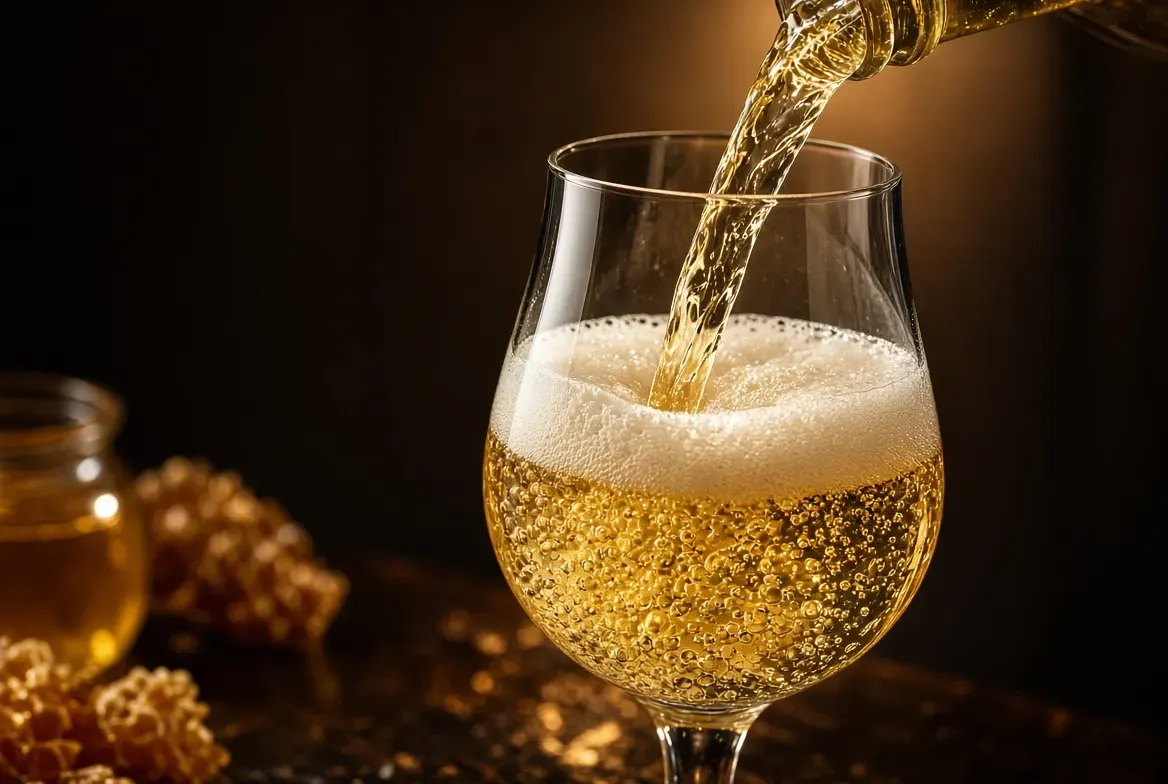
Sparkling honey wine is mead with carbonation, ideally produced by a second fermentation rather than injected gas. Dry (brut) versions drink like Cava or Champagne with a floral twist; semi-sweet (demi sec) versions are closer to Moscato d'Asti. Serve them very cold in a tulip glass.
Four ways mead gets its bubbles
| Method | How it works | Character |
|---|---|---|
| Traditional method | Second fermentation inside each bottle, then the yeast is removed by riddling and disgorging. The Champagne process. | Finest bubbles, toasty notes, highest cost. |
| Second fermentation under pressure | A finished base wine ferments a second time in a sealed, pressurized vessel, trapping the CO2. | Natural, persistent bubbles with fresh aromatics. How most Prosecco is made. |
| Bottle conditioning | A little sugar or honey is added at bottling and the yeast stays in the bottle. | The homebrewer's way. Light sediment, gentle fizz. |
| Forced carbonation | CO2 is injected, as with soda. | Cheap and consistent. Standard for canned session meads. |
The first three are natural carbonation: the gas is a by-product of yeast eating sugar rather than something added afterwards. Producers and many tasters associate these methods with a finer, more persistent bead. Bee d'Vine describes its process as a two-step fermentation, with the second step under pressure, which by its own description puts it in the second group.
Three sparkling honey wines to try
All three come from the same Sonoma producer and are made from honey and spring water only. They differ in honey, sweetness and handling.
| Bottle | Style | Bubbles | ABV | Honey | Best for | Price |
|---|---|---|---|---|---|---|
| Demi Sec Sparkling | Semi-sweet | Sparkling | 11.5% | Orange blossom + clover | Celebrations | $59 |
| Brut Sparkling | Dry | Sparkling | 11.5% | Orange blossom | Sparkling | $59 |
| Brut Fresca Sparkling | Dry | Sparkling | 11.5% | Clover | Prosecco alternative | $56 |
Sparkling grape wines for honey wine fans
Sparkling mead is rare in shops. If you want bubbles with a similar soft, off-dry feel from a regular wine shop, Moscato d'Asti, Asti and extra-dry Prosecco are the closest grape wine styles. These come from our partner shops, with the retailer's notes.
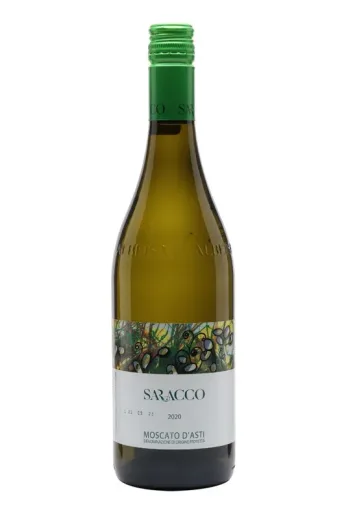
Saracco Moscato d'Asti 2025
- Moscato d Asti
- Sweet
- Italy
Honeysuckle and apricot in a lightly sparkling, low-alcohol Moscato with a 95-point score.
Wine On Sale says: Delicately sweet, lightly sparkling Moscato with peach, apricot, honeysuckle, orange blossom and lemon zest aromas.
WE 95 (as listed by Wine On Sale)
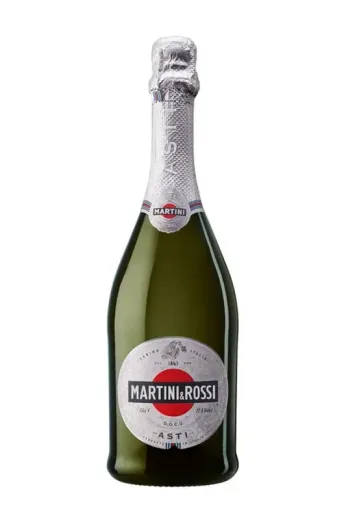
Martini Asti
- Asti Spumante
- Sweet
- Italy
Asti is the classic sweet sparkler for toasts and dessert.
Wine On Sale says: A sweet, sparkling Piedmont wine with ripe peach, apricot and orange notes, light and effervescent.
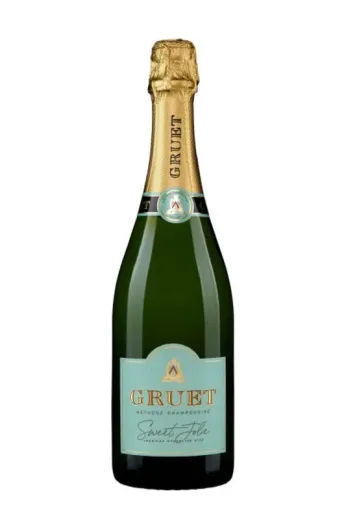
Gruet Demi Sec Sweet Jolie
- Sparkling Demi-Sec
- Off-dry
- United States
An American demi-sec sparkling wine with honey in the tasting notes.
Wine On Sale says: A New Mexico demi-sec sparkler, off-dry with ripe fruit, honey and floral aromas and pear and apple on the palate.
How to serve it
- Temperature: 40 to 45°F. That is about three hours in the refrigerator or 30 minutes in an ice bath.
- Glass: a tulip or a white wine glass shows the honey aromatics better than a narrow flute. Use flutes if you care more about the look of the bubbles.
- Opening: it is under real pressure. Keep a thumb on the cork, hold the cork still and turn the bottle, and let it out with a sigh rather than a bang.
- Food: salty and fried things. Oysters, potato chips, fried chicken, tempura, aged cheese.
- Leftovers: a hinged sparkling stopper keeps the fizz for a day or two.
Weddings, toasts and the honeymoon connection
Mead has been poured at weddings for a very long time. A popular story holds that the word honeymoon comes from a custom of giving newlyweds a month's supply of mead. Etymologists are skeptical (the earliest uses of the word are about the sweetness of new love waning like the moon), but mead's role as a wedding drink across northern Europe is well documented, and the story is too good not to tell at the reception. The evidence for and against is in our history of honey wine.
For a toast, plan on one 750 ml bottle for every six to eight guests. If you want a centerpiece as well, the same producer sells its still wines in a three-liter double magnum. The honey wine party calculator works out the bottles for any guest count, and where to buy honey wine covers ordering in time for the date.
Frequently asked questions
Is mead carbonated?
Most mead is still. Sparkling mead is a minority style, made either by a second fermentation, as with Champagne and Prosecco, or by injecting carbon dioxide, as with most canned session meads.
Is traditional mead carbonated?
Not usually. "Traditional" describes the ingredients (honey, water and yeast only), not the bubbles. A traditional mead can be still or sparkling, but most are still.
Is sparkling honey wine sweet?
It comes both ways. Brut sparkling honey wine is dry, and demi sec is semi-sweet. Check the label just as you would with Champagne.
Can I use sparkling honey wine instead of Champagne for a toast?
Yes. It is a natural fit for weddings in particular, since mead has been a wedding drink for centuries. Serve it at 40 to 45°F in flutes or tulip glasses.
How long does sparkling honey wine last once opened?
One to two days in the refrigerator with a proper sparkling-wine stopper. After that it is still drinkable but flat.
Can I make sparkling mead at home?
Yes, by bottle conditioning: ferment the mead completely dry, add a small measured dose of honey or sugar at bottling, and use bottles rated for pressure. Never bottle a mead that is still fermenting or still sweet without stabilizing it, because the bottles can burst.